Table of Contents
The 5 stages of grief are denial, temper, negotiating, depression, and approval. Everybody experiences pain in a different way, and it is crucial to permit people to regret in their very own way.
It is necessary to remember that the grieving procedure can be complex, and it isn't the same for every person. These steps might not be complied with specifically, or other feelings may appear after you thought you were with the stages of grieving. Permitting area to experience despair in your very own method can assist you heal after loss.

It suggests that we undergo five distinct phases after the loss of a loved one. These phases are rejection, temper, bargaining, depression, and finally acceptance. In the very first phase of the mourning process, rejection assists us lessen the overwhelming discomfort of loss. As we process the fact of our loss, we are also trying to make it through psychological discomfort.
During this phase in mourning, our reality has actually changed totally. It can take our minds time to adapt to our new reality. We reflect on the experiences we've shown the person we lost, and we could locate ourselves questioning just how to progress in life without he or she. This is a great deal of info to explore and a great deal of excruciating images to process.
Attachment Healing for High-Achievers Through EMDR in the Local Area
Rejection is not only an effort to act that the loss does not exist. We are trying to adjust to a brand-new reality and are likely experiencing severe emotional discomfort.
Anger also has a tendency to be the very first point we really feel when beginning to release emotions connected to loss. This can leave us feeling separated in our experience.
Throughout negotiating, we have a tendency to focus on our personal mistakes or regrets. We could look back at our interactions with the individual we are losing and note all the times we really felt detached or may have caused them discomfort. It prevails to recall times when we might have said things we did not imply and desire we might go back and behave in different ways.
During our experience of handling grief, there comes a time when our creativities calm down and we slowly start to check out the truth of our existing circumstance. Haggling no longer really feels like a choice and we are confronted with what is happening. In this stage of grieving, we start to really feel the loss of our enjoyed one even more perfectly.
The Evidence Supporting EMDR Therapy for Recovery
In those moments, we have a tendency to pull inward as the sadness expands. We might discover ourselves pulling away, being less friendly, and reaching out much less to others regarding what we are going through.
When we involve a location of acceptance, it is not that we no much longer feel the discomfort of loss. Rather, we are no much longer standing up to the reality of our situation, and we are not battling to make it something various. Despair and regret can still exist in this stage.
There is no particular amount of time for any one of these stages. One person might experience the stages promptly, such as in an issue of weeks, whereas one more person might take months and even years to move via the stages of grieving. Whatever time it takes for you to relocate via these phases is flawlessly typical.
The Neuroscience Informing EMDR Therapy for Healing
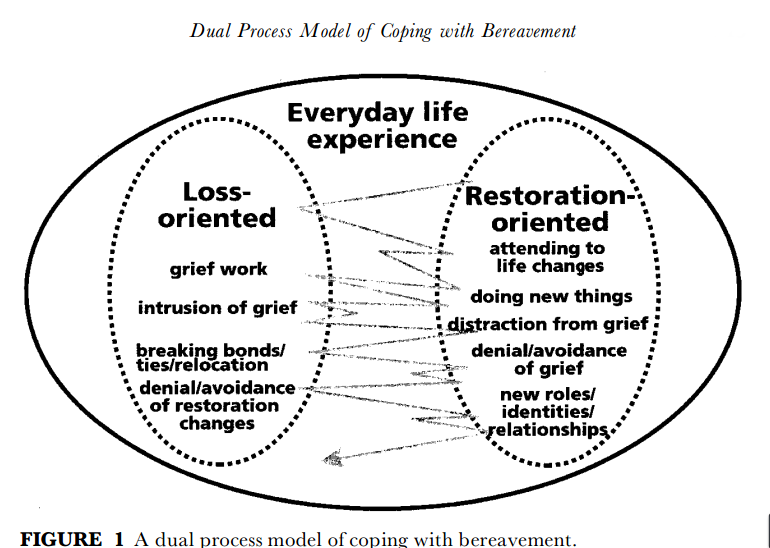
You may or might not go with each of these phases or experience them in order. We might also move from one phase to an additional and potentially back again prior to fully relocating right into a brand-new stage.
These models can offer greater understanding to people that are hurting over the loss of a loved one. They can also be made use of by those in recovery professions, assisting them to provide efficient care for grieving individuals that are looking for informed assistance.
British psychoanalyst Colin Murray Parkes established a model of despair based on Bowlby's concept of add-on, suggesting there are four stages of mourning when experiencing the loss of an enjoyed one:: Loss in this stage feels difficult to approve. Many carefully pertaining to Kbler-Ross's phase of denial, we are bewildered when attempting to deal with our feelings.
: As we refine loss in this phase of despair, we may begin to seek comfort to load deep space our loved one has left. We might do this by experiencing memories via pictures and looking for indications from the individual to feel linked to them. In this phase, we become really preoccupied with the person we have lost.
How Healthy Attachment Enables Authentic Leadership

The awareness that our liked one is not returning really feels real, and we can have a difficult time recognizing or finding hope in our future. We may feel a bit pointless throughout this section of the mourning procedure and retreat from others as we process our pain.: In this phase, we really feel much more confident that our hearts and minds can be recovered.

Table of Contents
Latest Posts
Protective Patterns within ADHD, Autism & Mood Disorders Treatment Treatment for Insight
Your First Session in Psychodynamic Treatment at Our Practice
Your Dynamic Framework to EMDR therapy in Chicago
Navigation
Latest Posts
Protective Patterns within ADHD, Autism & Mood Disorders Treatment Treatment for Insight
Your First Session in Psychodynamic Treatment at Our Practice
Your Dynamic Framework to EMDR therapy in Chicago